
Scientist Explorer: How to Become a Mycologist
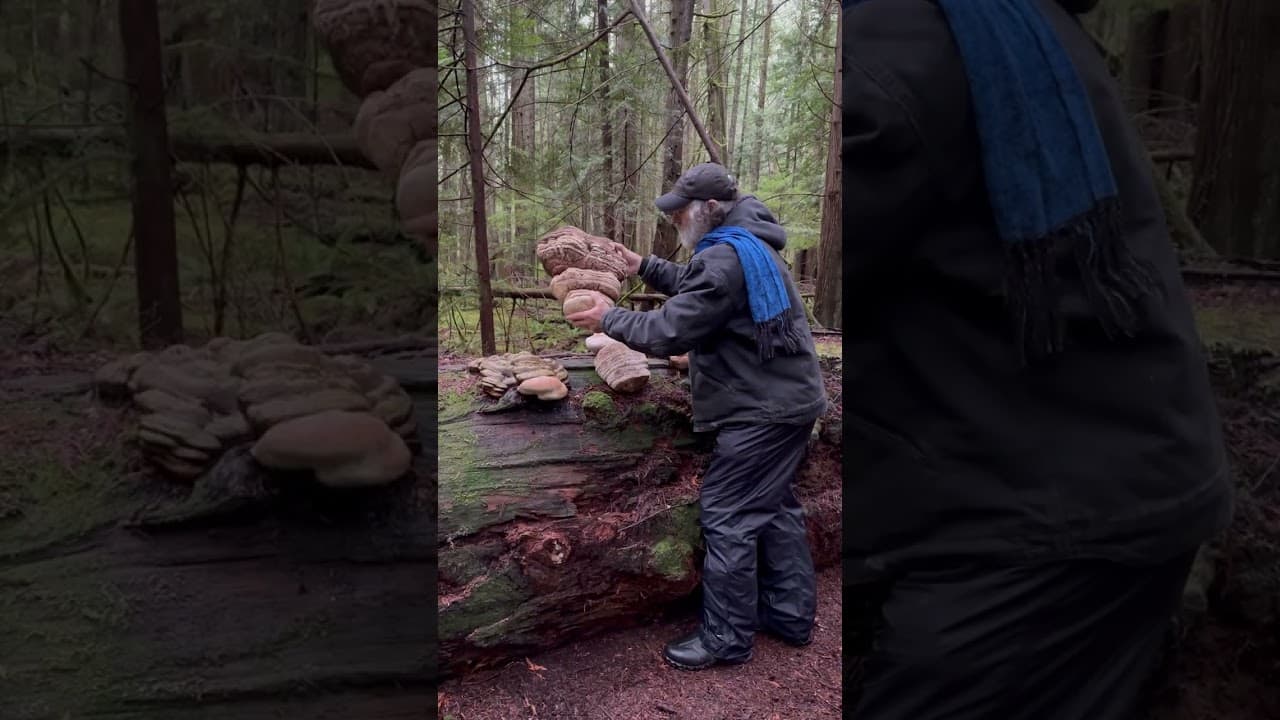
Scientist Explorer: How to Become a Mycologist
What is a Mycologist? First, let’s define what mycology is.
Mycology is the scientific study of fungi – a strange but fascinating kingdom of life that includes mushrooms, molds, yeasts, and other organisms. As a branch of biology, mycology explores how fungi grow, reproduce, and interact with other living things, as well as their practical applications in medicine, agriculture, and industry. From the mushrooms on your pizza to the antibiotics in your medicine cabinet, fungi impact our daily lives in countless ways.
Understanding Mycology
What They Do: Mycologists are scientists who study fungi in all their forms – from microscopic yeasts to sprawling mushroom networks. They investigate how fungi grow, reproduce, and interact with the world around them. Think of them as nature’s detectives, uncovering the secrets of organisms that are neither plant nor animal.
Where They Work:
- Research Laboratories: Conducting experiments on fungal properties and genetics
- Universities: Teaching and performing advanced research
- Pharmaceutical Companies: Developing new medicines from fungal compounds
- Agricultural Facilities: Studying plant-fungal relationships and developing better farming practices
- Forest Service: Analyzing ecosystem health and fungal biodiversity
- Food Industry: Working with fermentation and food safety
- Unexpected workplace: Sustainable Materials Companies: Developing mushroom-based packaging and building materials
Key Responsibilities:
Mycologists spend their days collecting fungi in the field, identifying specimens, running lab experiments, studying fungal DNA, and exploring how fungi interact with plants, animals, and environments. They’re constantly looking for new ways fungi can help solve human problems.
Impact: The work mycologists do helps create new medicines, improve food production, protect forests and other ecosystems, and develop sustainable technologies. When you take an antibiotic, eat cheese, or drink wine, you’re benefiting from mycologists’ work.
Recent Discoveries in Mycology
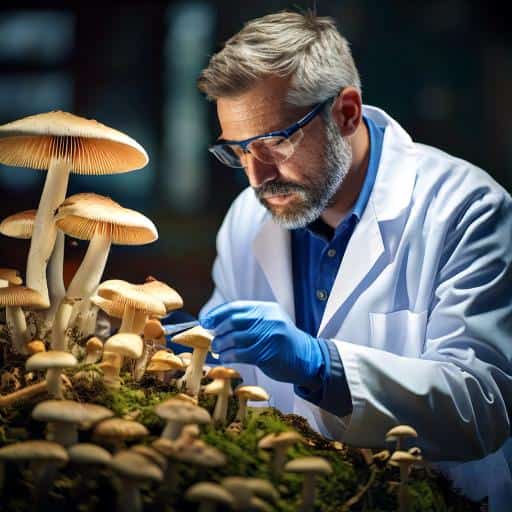
[Include images of: 1) Wood-degrading fungi, 2) Medicinal mushroom research, 3) Mycelial networks]
- Scientists have found fungi that can break down plastic waste, offering hope for tackling pollution
- New antibiotic compounds discovered in soil fungi could help fight resistant infections
- Research has mapped the “wood wide web” – underground fungal networks that help trees communicate
- Mushroom-based leather alternatives are revolutionizing sustainable fashion
- Studies show fungi play a bigger role in capturing carbon from the atmosphere than previously thought
- Researchers are exploring certain mushroom compounds for mental health treatments
- Mycelium (the root-like structure of fungi) is being used to create sustainable building materials
- Agricultural scientists are finding ways fungi can help crops grow with fewer chemicals
Why Study Mycology?
[Include images of mycologists working in various settings]
Research Opportunities:
- Discovering new fungal species (we’ve only identified about 10% of all fungi)
- Finding new medicines and treatments
- Creating sustainable materials from mycelium
- Using fungi to help fight climate change
- Improving agricultural practices
- Exploring fermentation for new foods
- Restoring damaged ecosystems
- Cleaning up environmental pollution with fungi
Career Applications:
- Research scientist in university or private labs
- Pharmaceutical developer
- Agricultural consultant
- Food scientist working with fermentation
- Conservation biologist
- Biotechnology researcher
- Environmental remediation specialist
- Sustainable materials developer
Global Impact:
- Developing new antibiotics and medicines
- Creating materials that replace plastics
- Boosting crop growth and health
- Cleaning up polluted environments
- Capturing carbon to fight climate change
- Improving food security with better preservation
- Restoring forest health
- Pioneering medical treatments
Meet a Leading Mycologist: Dr. Paul Stamets
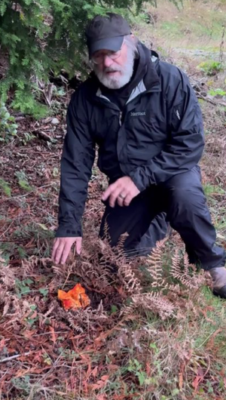
Background: Paul Stamets grew up in Ohio and faced challenges including a severe stutter. His path to mycology began after a transformative personal experience with psilocybin mushrooms that helped him overcome his speech impediment, s